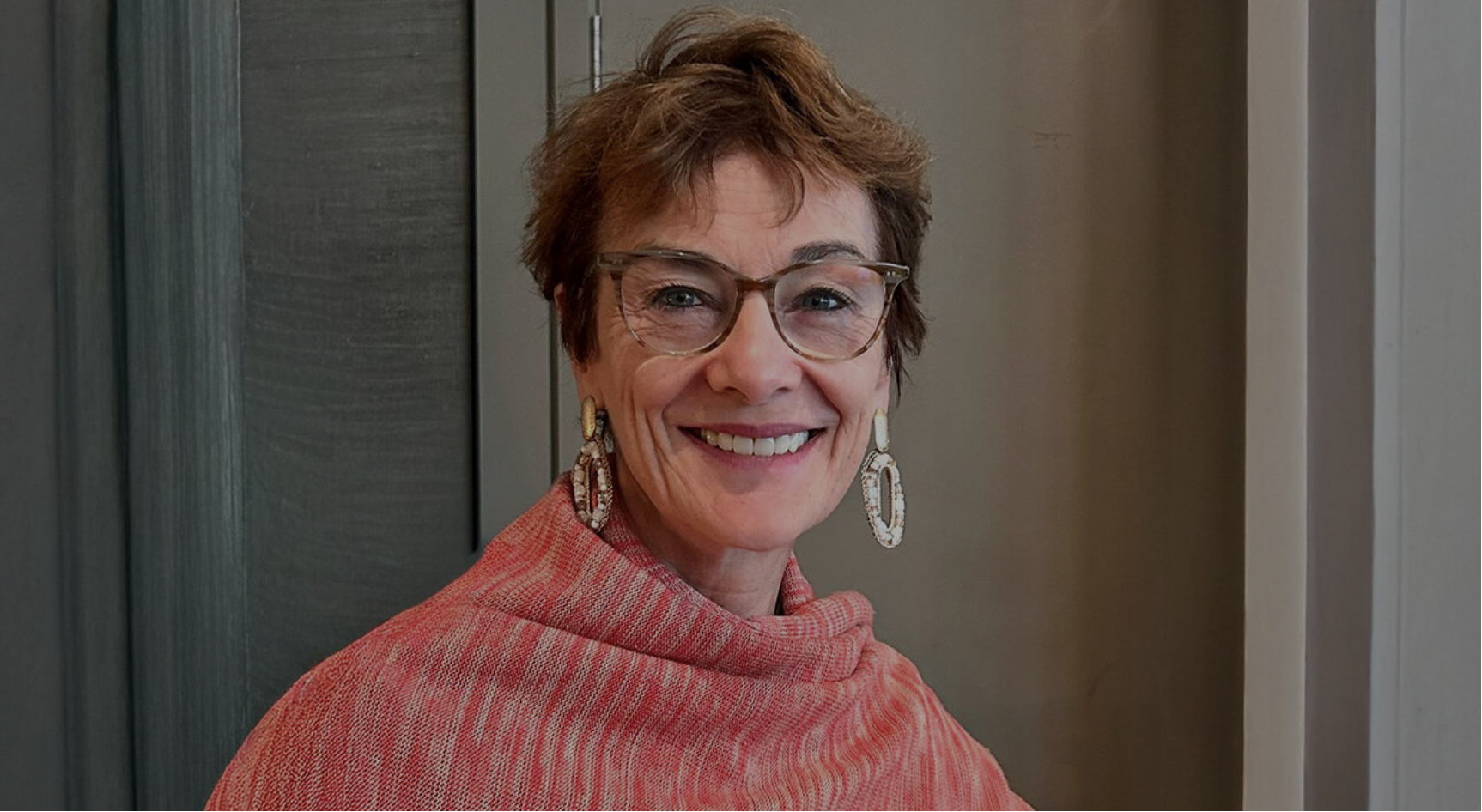
Dra. Josephine Loftus: “El arte ayuda a sobrellevar el estrés y la desesperanza”
La Dra. Josephine Loftus, una de las autoridades más respetadas y reconocidas en la medicina psiquiátrica. En esta conversación abordamos el impacto de las nuevas tecnologías en el comportamiento humano, la importancia de la comunicación, el valor de la felicidad y el papel del arte en la salud mental.
En su trabajo como psiquiatra, Josephine Loftus se ha especializado en trastornos del estado de ánimo, trastornos de la personalidad y déficit de atención con hiperactividad. Se ha centrado en integrar enfoques biológicos y psicoterapéuticos, incluidos los basados en la atención plena. Durante su etapa como subdirectora clínica en el Departamento de Psiquiatría del Princess Grace Hospital, en Mónaco, estableció una unidad de Alzheimer, una unidad de trastornos del estado de ánimo e integró la red francesa de centros de evaluación de trastorno bipolar creando un centro diagnóstico en su departamento. También inició grupos psicoterapéuticos para el tratamiento del dolor crónico, introdujo y promovió la formación en mindfulness, terapia cognitivo-conductual.
Fue nombrada Miembro Honorario del Royal College of Psychiatrists del Reino Unido en reconocimiento a su contribución al trabajo clínico y a la investigación en psiquiatría. Recientemente se retiró de su cargo hospitalario, pero tiene la intención de continuar su camino en el campo de la psiquiatría.
La Dra. Josephine Loftus se erige como una verdadera referencia en el ámbito de la medicina, una profesional distinguida y una persona extraordinaria, gran humanista, admiradora devota del arte y de la ciencia en todas sus formas, y una excepcional divulgadora.
Entrevista de Houda Bakkali
¿Cuáles son los principales problemas de salud mental que se diagnostican actualmente?
Aproximadamente 1 de cada 8 personas en el mundo vive con un trastorno de salud mental, según estadísticas de la Organización Mundial de la Salud (OMS). Los problemas de salud mental contribuyen a aproximadamente el 16% de la carga mundial de enfermedad.
La depresión y la ansiedad son los trastornos mentales más diagnosticados. La depresión es una de las principales causas de discapacidad en todo el mundo. El número de personas que viven con depresión y ansiedad ha aumentado significativamente desde la pandemia de COVID-19. El trastorno de estrés postraumático también está en aumento, dado el creciente número de conflictos en el mundo, en los que los civiles se ven gravemente afectados por la violencia de la guerra y el desplazamiento de sus hogares.
¿Cuáles son los principales desafíos que enfrenta la medicina psiquiátrica?
Hay varios desafíos. El más importante es la falta de recursos. Los servicios están subfinanciados, lo que dificulta satisfacer las necesidades de pacientes cada vez más complejos y necesitados. Trastornos como la esquizofrenia y el trastorno bipolar comienzan en la adolescencia tardía o en la adultez temprana y requieren atención psiquiátrica de por vida en la mayoría de los casos. En ausencia de tratamiento profesional, los jóvenes pueden recurrir al consumo de sustancias como forma de automedicación.
La prevención, el diagnóstico temprano y el tratamiento pueden tener un impacto positivo en los resultados y la calidad de vida. Las grandes cargas de casos y el aumento de la carga administrativa impiden que los psiquiatras puedan realizar el seguimiento con la regularidad que recomiendan las guías clínicas. Los profesionales también tienen que enfrentarse a más situaciones violentas debido al aumento del consumo de sustancias, lo que también afecta a los colegas que trabajan en salud física.
La psiquiatría enfrenta un grave problema de reclutamiento en muchos países, lo que lleva a una escasez de psiquiatras justo en el momento en que más se necesitan. Uno de los principales retos es cerrar la brecha entre lo que se necesita y lo que está disponible en términos de atención. La psiquiatría ha sido durante mucho tiempo un área subfinanciada de la medicina y podría decirse que sufre el mismo tipo de estigmatización que los pacientes a los que trata. El aumento de los trastornos de ansiedad y depresión, especialmente en los jóvenes desde la pandemia de COVID-19, ha aumentado la conciencia y en algunos países ha llevado a promesas de más financiación.
Más que nunca, los psiquiatras necesitan desempeñar un papel activo en la educación y en elevar el perfil de los problemas de salud mental presionando a los gobiernos. La Fondation FondaMentale ha mostrado el camino en Francia: es una entidad dedicada al diagnóstico temprano, la prevención, la psicoeducación y los planes de tratamiento personalizados que ha logrado financiación pública y privada para promover la investigación y dar visibilidad a las enfermedades mentales. Necesitamos más personas dinámicas que hagan este tipo de trabajo.
Otro gran desafío en psiquiatría y en la medicina en general es que los médicos no se reduzcan a técnicos de diagnóstico y prescripción que pierden la capacidad de conectar con los pacientes y su sufrimiento. En una era donde el modelo empresarial se apodera de la medicina, donde los objetivos y la eficiencia son primordiales y la tecnología avanza a gran velocidad, es más importante que nunca que los médicos recuerden que tratan con seres humanos que sienten y piensan. Es crucial mantener el “arte” de la práctica médica.
Salud mental y psiquiatría no son lo mismo. ¿Cómo se relacionan y cómo se benefician mutuamente?
La salud mental, según la OMS, es un estado de bienestar que permite a las personas afrontar las tensiones de la vida, desarrollar sus capacidades, aprender, trabajar bien y contribuir a su comunidad. Incluye el bienestar emocional, psicológico y social. El énfasis está en el bienestar integral que permite al individuo funcionar en todos los ámbitos de su vida y establecer relaciones significativas y duraderas con los demás.
Cuando se rompe el equilibrio entre estos dominios, aumenta el riesgo de desarrollar un problema de salud mental con alteraciones significativas en la cognición, la regulación emocional y la conducta, lo que genera la necesidad de un seguimiento psiquiátrico. Estas dificultades existen en un espectro de leve, moderado y grave, y los casos leves probablemente no requieran ayuda psiquiátrica.
La psiquiatría es la rama de la medicina que se centra en el diagnóstico, tratamiento y prevención de los trastornos mentales, emocionales y conductuales. Su objetivo no es solo aliviar síntomas y recetar medicación, sino ofrecer un plan de tratamiento multidisciplinar que devuelva al paciente su bienestar mental en todos los ámbitos. No siempre es un proceso sencillo. En enfermedades crónicas y de por vida, el punto de partida del bienestar mental y su definición pueden tener que ajustarse a través de un largo proceso de aceptación de las limitaciones personales, sociales y profesionales que impone la enfermedad. Este proceso también puede ser difícil para los familiares, cuyo bienestar mental también se ve afectado. Gran parte del trabajo en psiquiatría está orientado a ayudar a los pacientes a encontrar ese equilibrio para promover el bienestar y llevar vidas significativas en sus comunidades.
Un individuo con una buena base de bienestar mental tendrá más resiliencia si desarrolla un problema tras un evento traumático y más probabilidades de recuperarse por completo que alguien con fragilidad previa debido a un entorno adverso en la infancia o adolescencia.
Muchas enfermedades mentales siguen siendo un estigma y un tabú para los pacientes. ¿Cómo podemos derribar esas barreras?
Con educación, visibilizando las enfermedades mentales, desafiando estereotipos y, sobre todo, eliminando la división entre “nosotros y ellos”. Quizás este sea el origen del estigma: el miedo a que la enfermedad mental pueda afectarnos también, del mismo modo que la peste atemorizaba en el pasado.
Las experiencias de quienes padecen una enfermedad mental no son ajenas al resto de la población. Todos conocemos lo que es sufrir una tristeza profunda tras una pérdida, la euforia de enamorarse o incluso experimentar alucinaciones auditivas en personas sanas. Lo que diferencia a alguien con una enfermedad mental no es la naturaleza de la experiencia, sino la intensidad, frecuencia y el sufrimiento que generan. Eso es lo que distingue a una persona con un trastorno de una persona sana. Y debemos recordar que nadie está inmune a desarrollar un problema de salud mental.
Los medios de comunicación han tenido un papel importante al publicar historias de celebridades que hablan abiertamente de su trastorno bipolar, depresión o consumo de sustancias. Sin embargo, también deben ser más responsables cuando informan de la violencia perpetrada por pacientes psiquiátricos. Estos casos, aunque muy raros, suelen ocupar los titulares, mientras que actos violentos cometidos por personas sin antecedentes psiquiátricos se relegan a notas mínimas. La realidad es que la mayoría de los crímenes violentos son cometidos por personas sin enfermedad mental. En muchos de los casos en que sí ocurre, suele estar implicado el consumo de sustancias, lo que aumenta el riesgo de violencia.
El estigma debe combatirse a nivel social e individual, empezando por el propio paciente, que a menudo se autoestigmatiza. Se requiere un enfoque psicoterapéutico que le ayude a cambiar la forma en que se ve a sí mismo y a su enfermedad. No puede controlar cómo lo ven los demás, pero sí cómo se ve a sí mismo. Este trabajo suele hacerse en grupos, con protocolos bien establecidos.
También es esencial garantizar que las personas con problemas de salud mental tengan acceso a un entorno laboral de apoyo.
Cada vez se implementan más aplicaciones tecnológicas en las terapias y diagnósticos en el campo de la psiquiatría. ¿Cómo evalúa esto?
Estas aplicaciones tecnológicas mejorarán el acceso a la atención, especialmente en áreas geográficas con escasez de psiquiatras y otros profesionales de la salud mental. Las consultas de telepsiquiatría proporcionan acceso a profesionales de la salud mental y a apoyo en crisis. La telemedicina y las aplicaciones que ofrecen terapia cognitivo-conductual permiten enfoques diagnósticos y terapéuticos que trascienden las fronteras geográficas.
Un chatbot de IA que ofrece terapia cognitivo-conductual para la depresión ha demostrado ser eficaz en la reducción de síntomas de depresión y ansiedad en ensayos clínicos. Otros chatbots ayudan a conectar a los pacientes con terapeutas acreditados apropiados para sus necesidades.
El seguimiento de síntomas, la monitorización del estado de ánimo y los cambios de conducta pueden hacerse mediante apps, y así detectar alteraciones en el estado mental o una recaída inminente.
La terapia de exposición inmersiva a través de la Realidad Virtual puede ayudar a personas con fobias y ansiedad social que tienen dificultades para desplazarse a ver a un terapeuta o realizar los ejercicios necesarios.
La tecnología permite procesar enormes cantidades de datos clínicos para predecir cambios en la salud mental, identificar subtipos de enfermedades y su progresión. Estos datos pueden conducir a un enfoque más individualizado, basado en el perfil de cada paciente, en lugar de un modelo uniforme para todos.
En teoría, estos enfoques tienen un gran potencial para aumentar el acceso a la atención, monitorizar síntomas, mejorar la adherencia al tratamiento, facilitar el diagnóstico y poner en marcha planes personalizados basados en el análisis de big data.
Algunas de estas propuestas pueden parecer intrusivas por la monitorización constante, pero para una generación que ha crecido con smartphones esto quizás no represente un problema. Además, este enfoque da al paciente un papel más activo y responsable en la gestión de su salud mental, lo cual es muy importante.
¿Cómo impacta la inteligencia artificial (IA) en nuestra salud mental?
En cierto nivel, la IA se ha descrito como potencialmente transformadora y revolucionaria para la salud mental, por su capacidad de analizar grandes conjuntos de datos y comportamientos humanos complejos. Su integración en servicios de salud mental sobrecargados podría mejorar la detección temprana, proporcionar planes de tratamiento personalizados y hacer que la atención sea más accesible.
También existen aplicaciones de IA que ayudan a los terapeutas a obtener retroalimentación de los pacientes y adaptar mejor la terapia a sus necesidades.
Por lo tanto, la IA tiene potencialmente un efecto beneficioso. Sin embargo, plantea cuestiones éticas, como la ausencia de un marco regulador integral, la protección de la privacidad y la necesidad de preservar el elemento humano. La IA debe ser una herramienta complementaria, no un sustituto del terapeuta.
Un estudio reciente de Stanford mostró que los chatbots de IA utilizados en salud mental no detectaron intenciones suicidas. Además, tras ser expuestos a distintos casos clínicos (depresión, adicciones, esquizofrenia), varios chatbots mostraron un aumento del estigma hacia los casos de esquizofrenia.
También se han reportado efectos negativos, como aumento de síntomas psicóticos, dependencia excesiva de la IA, malas decisiones basadas en sus recomendaciones, e incluso consejos inapropiados relacionados con suicidio o eutanasia a personas que expresaban tristeza.
En resumen, aunque la IA puede ser útil en salud humana, es esencial reconocer sus limitaciones y riesgos.
La tecnología nos une a través de la distancia, derribando barreras físicas y temporales. ¿Esto es realmente beneficioso para nuestra mente o solo alimenta una fantasía?
Ciertamente, la tecnología ha derribado barreras, facilitado la comunicación y el aprendizaje a través de zonas horarias y fronteras. Una de cada cuatro personas adultas declara estar conectada en línea todo el tiempo. Pero existen preocupaciones sobre sus efectos en la estructura y función cerebral.
Las investigaciones indican tanto efectos positivos como dañinos. Entre los efectos negativos se encuentran: aumento de síntomas de déficit de atención, deterioro de la inteligencia emocional y social, aislamiento, alteraciones en el desarrollo cerebral y disminución de la memoria de trabajo. La OMS publicó en 2019 estrictas pautas sobre el tiempo frente a pantallas en niños. Su uso intensivo también se ha vinculado con depresión, ansiedad y problemas de sueño.
En niños menores de 3 años, un mayor tiempo de pantalla se ha relacionado con peor desarrollo del lenguaje, menor función ejecutiva y más problemas de sueño. En niños mayores se observan dificultades para reconocer emociones en rostros y señales sociales si se comparan con aquellos cuyo uso está restringido. También existe el riesgo de adicción a la tecnología, con una prevalencia global de alrededor del 6%, más alta en algunos lugares. La adicción a internet se asocia a mayor impulsividad, hiperactividad y síntomas de déficit de atención en escolares.
Por el lado positivo, ciertas herramientas en línea y videojuegos pueden proporcionar ejercicios mentales que activan el cerebro, mejoran la conectividad neuronal, el sueño, reducen la ansiedad y mejoran la memoria. Un estudio encontró que cirujanos que jugaban videojuegos más de tres horas semanales cometían menos errores quirúrgicos, respondían más rápido y tenían mejores habilidades laparoscópicas.
El multitasking, consecuencia de pasar mucho tiempo en línea, se sabe que afecta negativamente al rendimiento, y esta habilidad decae con la edad. Sin embargo, algunos videojuegos han demostrado mejorar la atención, la memoria de trabajo y la capacidad de multitarea.
En conclusión, hay argumentos a favor y en contra. Cuando se usan programas específicos de manera moderada, la tecnología puede ser beneficiosa. En niños debe usarse con cautela y acompañamiento parental. En definitiva, la tecnología puede ser útil o dañina según cómo se utilice y según la vulnerabilidad de la persona.
¿Qué factores ambientales tienen mayor impacto en nuestra salud mental?
Tanto el entorno social como el natural influyen en nuestra salud mental.
En el entorno social, diferentes formas de abuso (sexual, físico y emocional) han demostrado tener un impacto negativo en la salud mental en la vida adulta, y se asocian con psicosis, trastornos del estado de ánimo y consumo de sustancias. La soledad, el aislamiento social y la falta de una red de apoyo también contribuyen a la depresión y a una peor salud física en general. A gran escala, los grandes conflictos que afectan a la población civil favorecen el desarrollo del trastorno de estrés postraumático (TEPT), una enfermedad incapacitante que puede conducir a depresión crónica y abuso de sustancias.
Los desastres naturales, como terremotos o inundaciones, también son causa de TEPT. Asimismo, estudios han mostrado una relación entre la urbanización densa y la prevalencia de enfermedades mentales. La alta densidad poblacional puede generar estrés crónico debido al ruido, la contaminación, el crimen y la falta de civismo. Por el contrario, la presencia de espacios verdes y zonas caminables parece ser un factor protector frente al desarrollo de enfermedades mentales.
¿Cómo influye la falta de comunicación en nuestro comportamiento?
La falta de comunicación puede tener un efecto adverso en la calidad de nuestras relaciones. Mantener relaciones saludables es importante para la salud física y mental. Estudios han demostrado que la ausencia de relaciones sociales predice la mortalidad por cualquier causa. Niveles bajos de apoyo social se asocian con mayores tasas de enfermedades cardiovasculares.
La falta de comunicación puede deberse a problemas físicos como la sordera, a trastornos neurológicos, psiquiátricos (por ejemplo, esquizofrenia grave) o a la falta de habilidades sociales.
El impacto en la conducta puede manifestarse en mayor frustración, estrés, ira y resentimiento. Hacia fuera, esto se traduce en irritabilidad, impaciencia, incluso violencia o retraimiento social. Se genera un círculo vicioso en el que familiares y amigos se alejan como medida de protección o por agotamiento, lo que refuerza los sentimientos de incomprensión y aislamiento. Todo ello aumenta el estrés y el riesgo de enfermedad física y mental.
¿Cómo evalúa la medicina psiquiátrica el optimismo?
El psicólogo Rick Hanson afirma que el cerebro humano es como velcro para las experiencias negativas y como teflón para las positivas. Desde una perspectiva evolutiva, estamos predispuestos al sesgo negativo para sobrevivir en situaciones de peligro.
La teoría de la indefensión aprendida, base psicológica de la depresión, describe cómo, tras estar sometido a estresores incontrolables, un individuo cree que no tiene poder para cambiar la situación, incluso cuando sí existen oportunidades. Esto lleva a la pasividad, la falta de motivación y la desesperanza, todos ellos asociados con depresión y TEPT.
El optimismo es la antítesis de la desesperanza. La psiquiatría está más acostumbrada a evaluar el pesimismo que el optimismo. Existen escalas para medir actitudes disfuncionales, rumiaciones, desesperanza o indefensión aprendida, pero pocas para evaluar el optimismo. El pesimismo también se explora en entrevistas clínicas, especialmente en la triada negativa de la depresión: visión negativa de uno mismo, del futuro y del mundo.
Un optimismo excesivo también puede ser problemático, como en la manía, donde la persona cree que todo es posible, incluso poniendo en riesgo su vida.
Sin embargo, estudios con el Life Orientation Questionnaire muestran que mantener una visión optimista reduce el riesgo de trastornos del estado de ánimo, ansiedad y abuso de alcohol. El optimismo contribuye al bienestar y la salud mental.
La terapia cognitivo-conductual trabaja con los pensamientos negativos para que el paciente cuestione su validez y genere una visión más equilibrada de la vida. Se promueve el uso de diarios de gratitud para registrar pequeños eventos positivos cotidianos.
El objetivo es inclinar la mente hacia un equilibrio en el que lo positivo tenga el mismo peso que lo negativo.
Las redes sociales son un medio de comunicación, pero ¿qué retos plantean para la salud mental? ¿Qué recomendaría para un uso saludable?
Los riesgos principales son la adicción, la paradoja del aislamiento social y el empeoramiento de problemas como la ansiedad social. Las habilidades sociales pueden verse afectadas, especialmente en niños que dependen desde pequeños de las redes para comunicarse.
También existen problemas ampliamente difundidos, como el ciberacoso, que en algunos casos ha llevado al suicidio de escolares.
Para un uso saludable, recomiendo restricción en niños y adolescentes y uso moderado en adultos.
Éxito y fracaso: ¿cómo afectan a la salud mental?
“El éxito no es definitivo, el fracaso no es fatal: lo que cuenta es el coraje de continuar.” (Winston Churchill).
El fracaso puede generar angustia emocional y provocar depresión o ansiedad. No obstante, no todas las personas que fracasan se derrumban. Factores protectores incluyen: autoestima alta, estilo atribucional positivo (explicación optimista de las causas del fracaso) y menor perfeccionismo.
El éxito puede tener un impacto positivo, siempre que no esté impulsado por baja autoestima o miedo al fracaso y la humillación. En esos casos, la búsqueda de éxito puede generar estrés crónico, con consecuencias en forma de depresión, ansiedad, adicciones y problemas físicos.
Usted es experta en mindfulness, entre otras áreas. ¿En qué consiste esta terapia y cómo puede beneficiar a la salud mental?
“Mindfulness es prestar atención de una manera particular, intencionadamente, en el momento presente y sin juzgar.” — Jon Kabat-Zinn.
El mindfulness es la práctica de estar plenamente presente y consciente de las experiencias a medida que surgen, sin reaccionar en exceso ni dejarse arrastrar por pensamientos y emociones.
Incluye varias prácticas: meditación, movimiento consciente, caminatas conscientes, alimentación consciente o simplemente estar atentos en actividades diarias.
Lo opuesto a mindfulness es vivir en “piloto automático”: tan absorbidos en pensamientos o fantasías que desconectamos del presente. Todos hemos conducido por una ruta conocida y llegado al destino sin recordar el trayecto. Esto no sería un problema salvo cuando ese piloto automático nos lleva a pensamientos oscuros y recurrentes que pueden desencadenar depresión.
Jon Kabat-Zinn integró el mindfulness en la práctica médica con su programa de reducción de estrés basado en la atención plena (Mindfulness-Based Stress Reduction, MBSR), para pacientes crónicos con dolor o problemas cardiovasculares. El éxito de este programa llevó a una expansión de enfoques basados en mindfulness para la depresión, la ansiedad y las adicciones. Se ha demostrado que reduce recaídas en adicción y depresión y mejora la calidad de vida.
El mindfulness también se ha incorporado a terapias como la terapia de aceptación y compromiso (ACT), la terapia dialéctico-conductual (DBT) y la terapia centrada en la compasión.
Se ha introducido además en lugares de trabajo, escuelas y prisiones para promover el bienestar mental y el manejo del estrés. Mejora la atención, el estado de ánimo, disminuye la ansiedad y fomenta una actitud más compasiva hacia uno mismo y hacia los demás.
En un mundo que valora el “hacer” constante, el mindfulness nos recuerda la importancia y los beneficios del “no hacer”.
¿Podemos hablar de una persona mentalmente sana? ¿Qué condiciones debe cumplir?
Sí, del mismo modo que hablamos de una persona físicamente sana. Una persona mentalmente sana dispone de buenas estrategias para afrontar el estrés, no se ve paralizada por pensamientos o emociones negativas y mantiene relaciones interpersonales satisfactorias y saludables.
Esto no significa que nunca atraviese tristeza, ansiedad o frustración ante pérdidas, fracasos o desilusiones: esas son reacciones normales. Podemos reforzar nuestra salud mental igual que nuestra salud física, mediante ejercicio, contacto con la naturaleza y buena alimentación. La actividad física ha demostrado ser beneficiosa contra la ansiedad y la depresión. Además, cada vez hay más interés en la psiconutrición y el impacto de la dieta en la salud mental.
El apoyo social también es crucial. Los actos de bondad hacia otros tienen un efecto positivo en la salud mental. La soledad, por el contrario, daña tanto la salud física como la mental.
El ocio y la diversión —ya sea con actividades recreativas o con momentos valiosos con amigos y familia— también son esenciales. Nunca debemos olvidar al niño que llevamos dentro ni la importancia de jugar y disfrutar.
¿Qué valor tiene el arte en el bienestar y la recuperación de los pacientes?
Desde hace miles de años, las personas han utilizado el arte como medio de expresión, sanación y comunicación.
El arte puede desempeñar un papel importante en la recuperación de los pacientes: permite expresarse con más libertad, conectar con sus emociones, mejorar la autoestima y las relaciones interpersonales.
Se han empleado diversas formas artísticas como opción terapéutica: teatro, danza, musicoterapia, pintura y dibujo. La arteterapia ha demostrado reducir la ansiedad y mejorar la regulación emocional mediante una mayor aceptación de las emociones.
Un estudio en el British Journal of Psychiatry mostró que mujeres con depresión posparto se recuperaban más rápido si participaban en un grupo de canto que en el grupo de control. Otros estudios han encontrado mayor conciencia emocional en pacientes con esquizofrenia que participaron en grupos de arteterapia.
El arte ayuda a sobrellevar el estrés y la desesperanza, aligera la carga de enfermedades crónicas, contribuye a sanar traumas emocionales, fomenta la autoconciencia y la reflexión, facilita respuestas más adecuadas en situaciones difíciles y puede transformar conductas y pensamientos. Para un paciente profundamente traumatizado, el arte puede ser la vía para expresar lo indecible.
La arteterapia responde a necesidades sociales, espirituales, emocionales y clínicas del paciente. No olvidemos que la palabra psiquiatría significa literalmente “tratamiento médico del alma”.
El cardiólogo catalán Josep Brugada dijo una vez que la felicidad es una de las mejores medicinas para la salud cardiovascular. ¿Ocurre lo mismo con la salud mental?
La felicidad es un estado de bienestar que contribuye a una mejor salud mental. Está asociada con menor riesgo de enfermedades crónicas, mejor función inmunológica y menores niveles de estrés.
Muchas veces se asocia la felicidad con éxito material o aprobación externa, pero esas sensaciones suelen ser fugaces. La verdadera felicidad que protege la salud mental proviene de un núcleo estable de bienestar, que surge de vivir una vida con sentido y en armonía con los propios valores.
Viktor Frankl, sobreviviente de un campo de concentración nazi, lo ilustró en su libro El hombre en busca de sentido.
Ese núcleo estable se cultiva reflexionando sobre lo realmente importante, ya sea mediante mindfulness u otras prácticas contemplativas. Esto mejora la relación con uno mismo y con los demás. Sin embargo, en nuestra sociedad pocas veces nos detenemos a reflexionar, aunque como decía Jon Kabat-Zinn: “nuestra vida depende de ello”.
Conocernos mejor nos permite aceptar las emociones difíciles y la impermanencia de las experiencias, tanto negativas como positivas. Nos ayuda a vivir según nuestros valores más profundos. Carl Jung hablaba del proceso de individuación como meta del viaje psíquico del ser humano: un servicio no solo a uno mismo, sino también a la sociedad.
Cuanto más integramos las distintas facetas de nuestra psique, más saludables y honestas son nuestras relaciones con nosotros mismos y con los demás. Cultivar el bienestar es vital porque sostiene a las personas en momentos difíciles y promueve la salud física y mental.
En meditación existe una metáfora: la montaña. La montaña permanece firme y fiel a sí misma, sea verano o invierno, día o noche, bajo relámpagos o nieve. Así debería ser también nuestro bienestar interior.