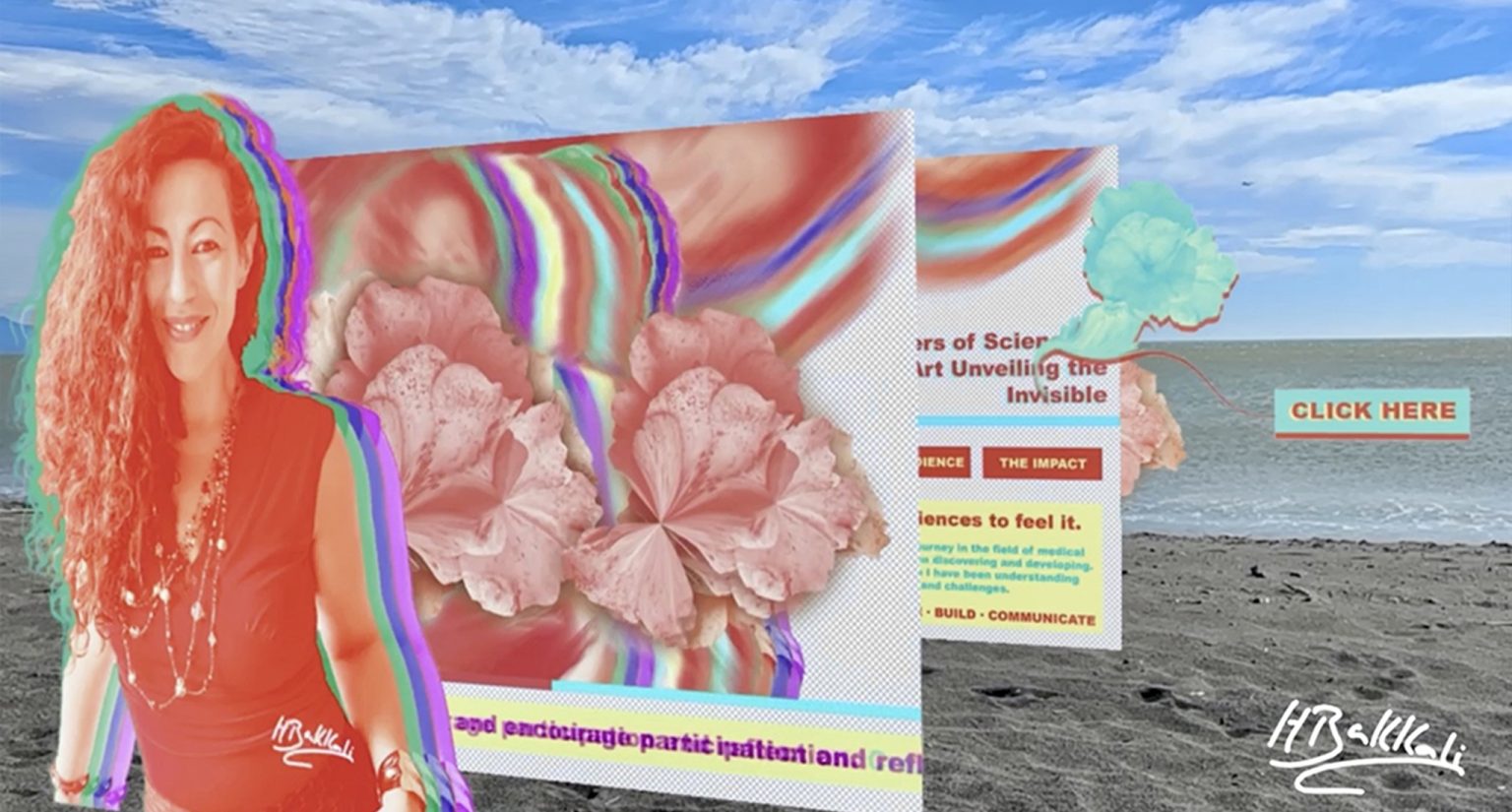
On the occasion ofWorld Health Day, I share some ideas about the combination of creativity and new technologiesapplied to the medical environment and how their enormous potential positively affects our health and global well-being. From the impact of artificial intelligence on data processing and personalization in diagnosis and treatment, to its advantages in areas such as sports medicine, providing great value in injury prediction, training plans and personalized diets, as well as real-time performance analysis, measurement and comparison.
New spaces such as the metaverse, which already host medical classrooms, promote training through virtual and 3D spaces whose ability to simulate real environments provides great value and versatility to learning, creating collaborative environments beyond spatial barriers, multisensory experiences, real-time information updates, etc. All of this encourages new educational proposals where gamification and creativity play a leading role.
For their part, augmented reality (AR) and virtual reality (VR) have arrived in medicine to facilitate, streamline and prioritize information through the potential of creativity and large doses of design. From medical leaflets transformed into understandable and visually attractive information, to medical equipment that specialists can view in 3D, with every detail and within their working environment, simply by scanning a QR code. The usefulness of AR and VR can also be seen in apps that detect veins in patients with very fine veins, those that improve the effectiveness of mental health treatments, those addressing smoking cessation, those assisting specialists during surgical procedures, breast self-examination applications that help detect possible anomalies, those creating routes to nearby defibrillators, or those explaining anatomy in a didactic and entertaining way, among the many that can already be found within the medical-pharmaceutical sector, one of the sectors that is adopting these new technologies most effectively in the service of health.
Immediacy, real-time information updates, traceability and a great deal of creativity are some of the common characteristics of these types of applications. Art plays an important role. Visual impact, the possibility of prioritizing information in a striking way, and aesthetic sensitivity combined with technology help give the message a different value, support better understanding of content, and create high-quality visual information for prevention, early diagnosis and the demystification of certain pathologies.