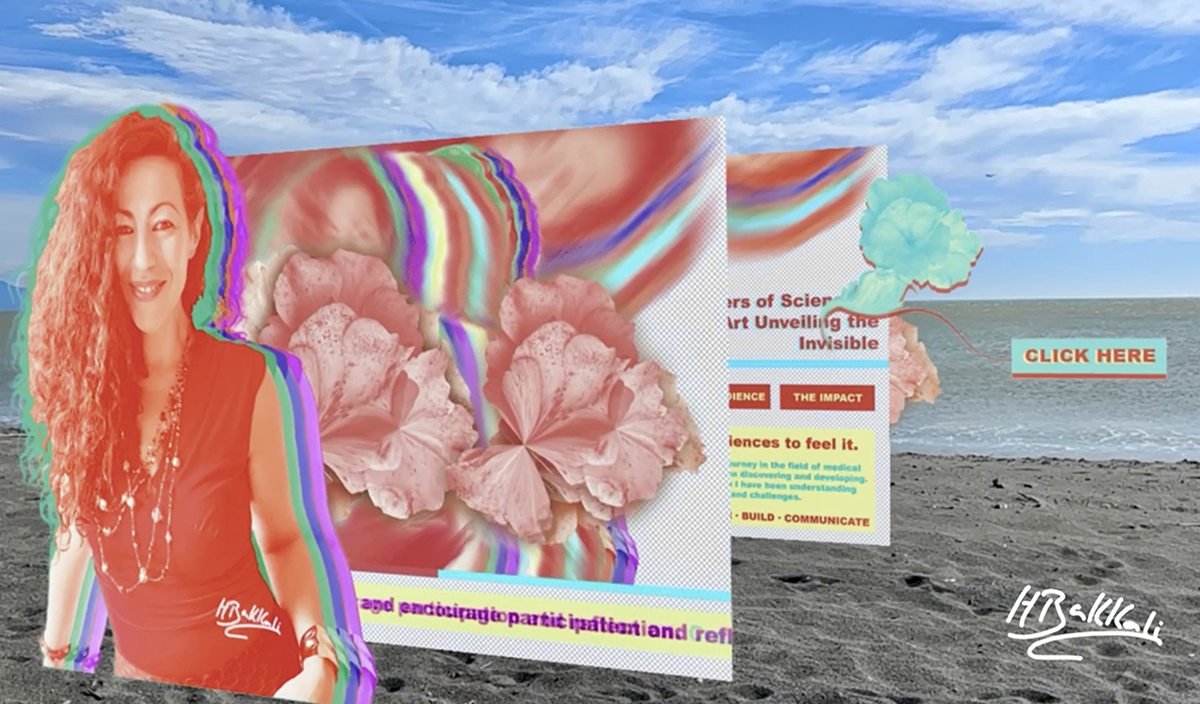
Since 2009, Houda Bakkali has been actively engaged in the field of medical and health communication,conducting nearly 200 interviews with leading physicians across a wide range of specialties. Alongside this work, she has developed editorial, multimedia, interactive, and XR projects, creating communication and educational content focused on health on a global scale.
Developed across institutional and international contexts, and published in both specialized and general media outlets, this long-term educational initiative has been recognized with the WIS Certificate (Web of Health Interest).
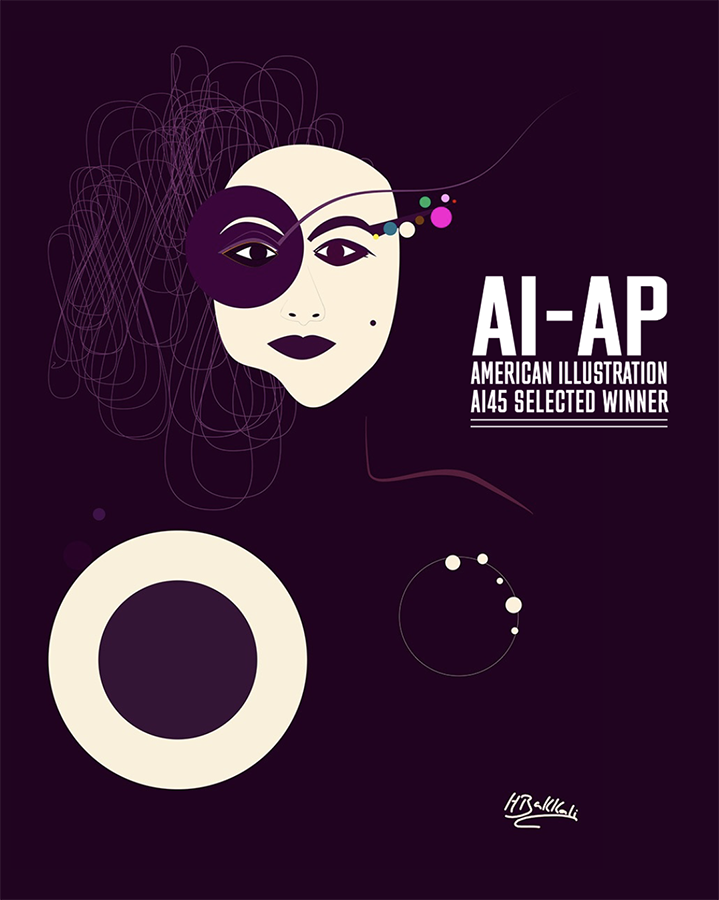
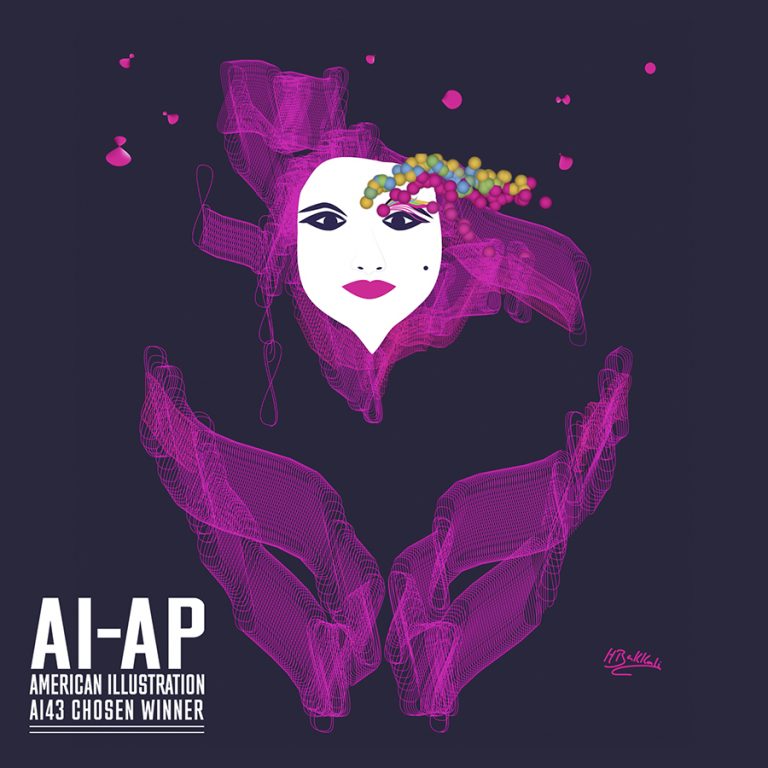
Her commitment to advancing effective health communication has also been internationally acknowledged. In 2026, she received the American Illustration Award (New York) for her project “Breast Cancer Awareness”, and in 2024 she was also awarded the American Illustration Award (New York) for her project “Art for Health”, which integrates art and health to enhance clarity, accuracy, and impact in medical communication.
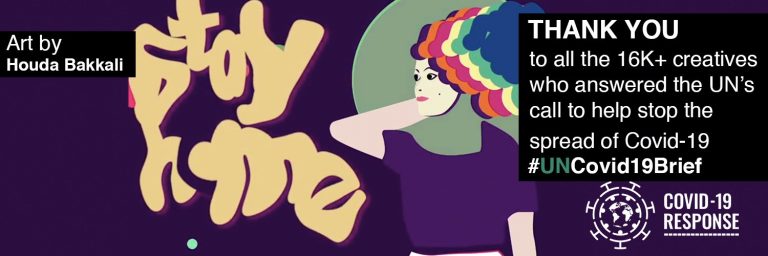
Previously, in 2020, her series “Creativity Against COVID-19” was included in the global #UNCOVID19BRIEF campaign launched by the United Nations, and was subsequently awarded by the International Motion Awards (New York) in 2021.
Her work highlights the essential role of communication in healthcare, supporting patients, families, and medical professionals. By combining new technologies, digital media, innovative strategies, and creativity, her practice contributes to more accessible, understandable, and sustainable healthcare communication.
Houda Bakkali explores the intersection of art and emerging technologies as a vehicle for knowledge, awareness, and social engagement in the field of health. Rather than treating the artwork as an autonomous end, the project positions artistic practice as a critical interface through which scientific information, medical advances, and preventive knowledge are translated into accessible, emotionally resonant experiences, grounded in scientific accuracy and responsible communication.
Conceived as a multidisciplinary and scalable project, her practice unfolds across multiple formats including vector illustration, animation, interactive content, audiovisual and multimedia works, gamified and creative e-learning, immersive spaces and extended reality. This plurality of media is not an end in itself, but a strategic framework for mediation, allowing the message to circulate across physical and digital contexts, reach diverse audiences, and transcend spatial, temporal, and generational boundaries. Through this approach, art and technology function as complementary tools to expand access to knowledge, reinforce public understanding, and create spaces for reflection, participation, and collective awareness within the context of public health.