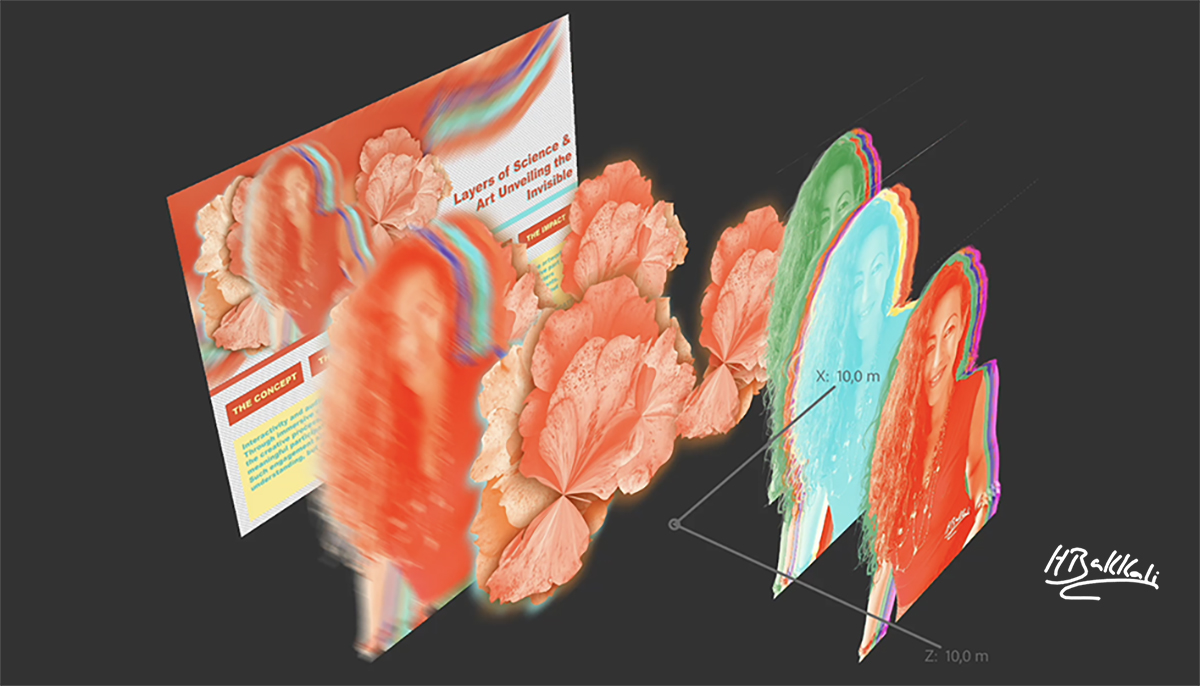
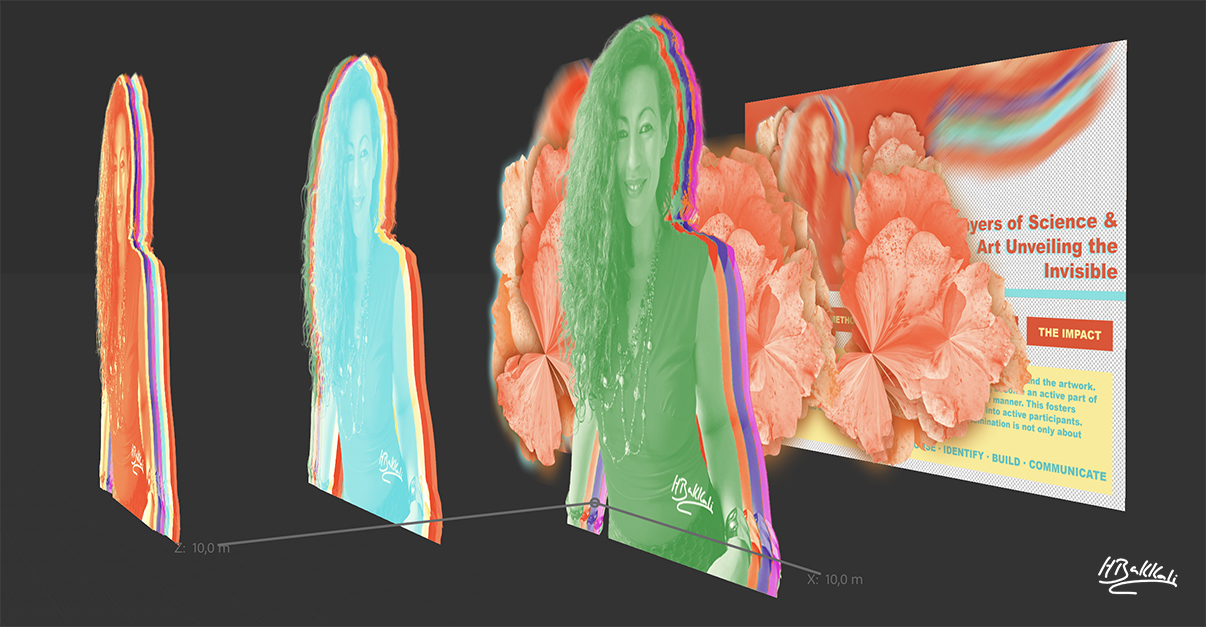
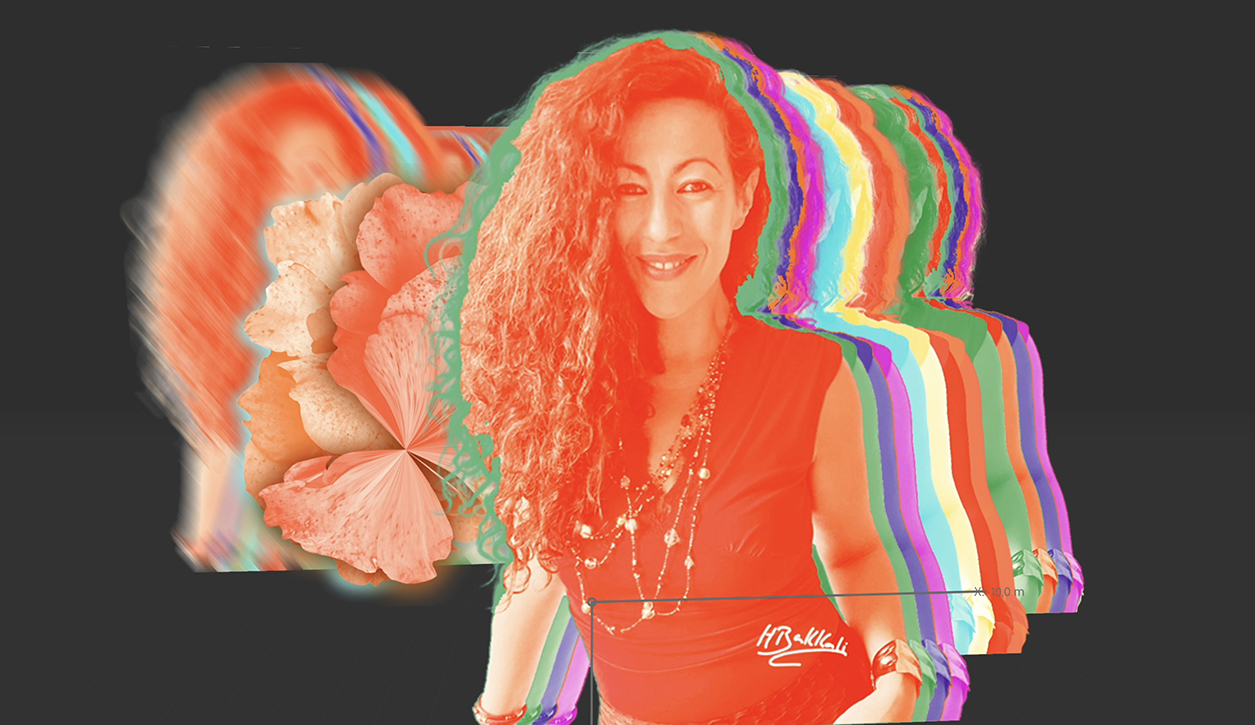
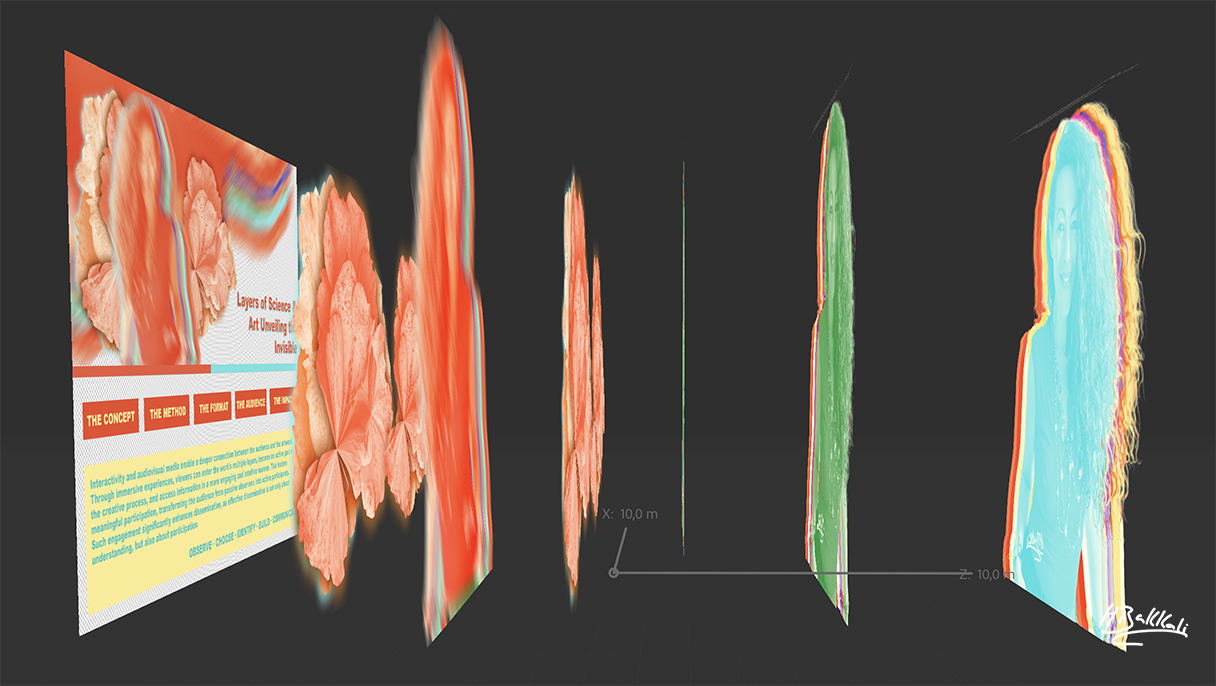
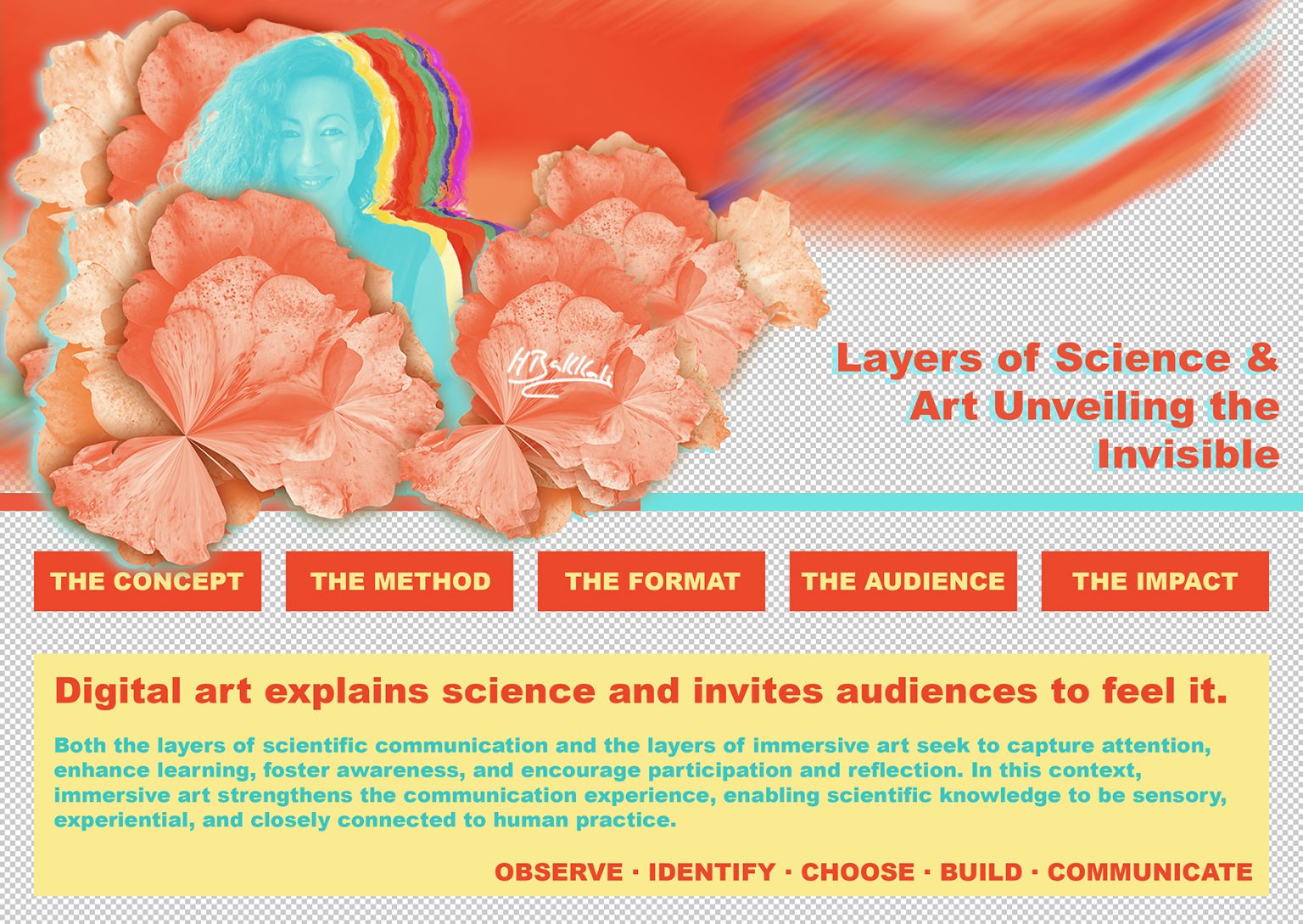
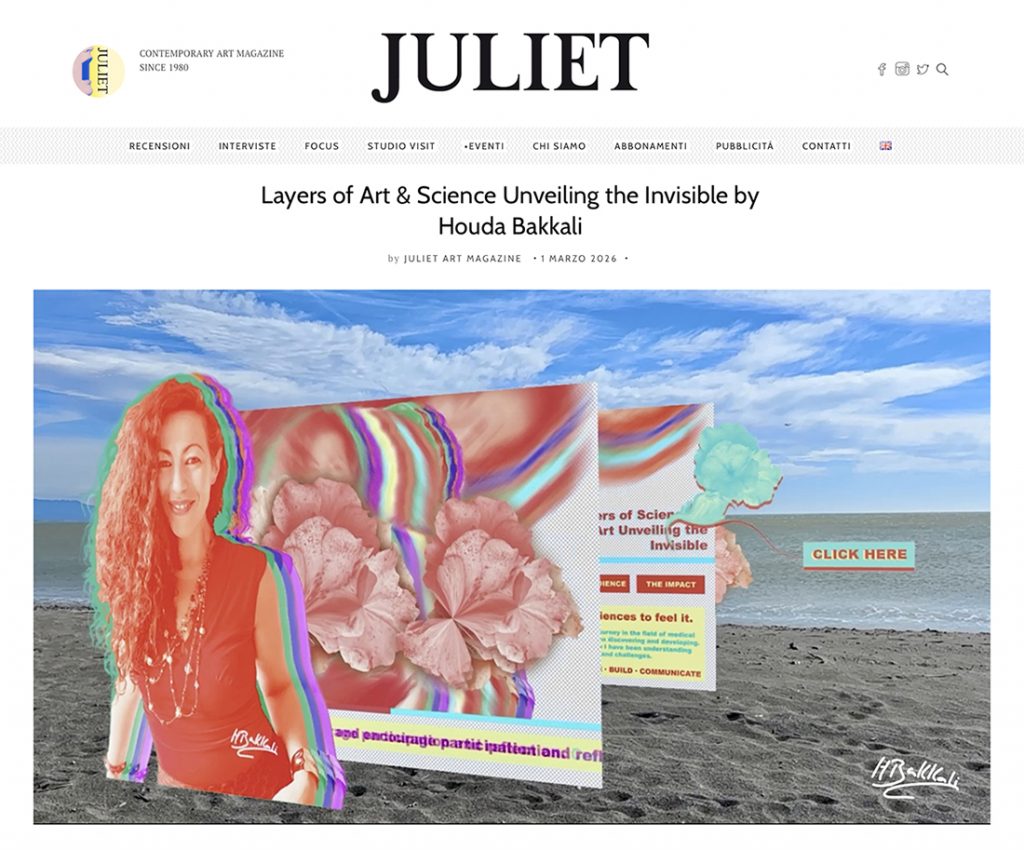
On the occasion of the International Day of Women and Girls in Science, I present my project “The Layers of Art & Science”.
“The Layers of Art & Science” is an immersive exploration of my personal journey in the field of medical communication, as well as the emerging forms of communication I have been discovering and developing. This work reflects the multiple cumulative layers of knowledge and practice I have been understanding and implementing, including topics, advances, methods, results, continuity, and challenges.
It stands as a piece distinct from my previous work, in this project I incorporate innovative techniques and new technologies to expand both expression and impact. Through a central professional perspective shaped by experience and continuous learning, this project brings together diverse timelines and processes that, while different, are essential and complementary.
Ultimately, the work aims to highlight the transformative impact of creativity and emerging technologies on the evolution of medical communication.
The Impact of Extended Reality
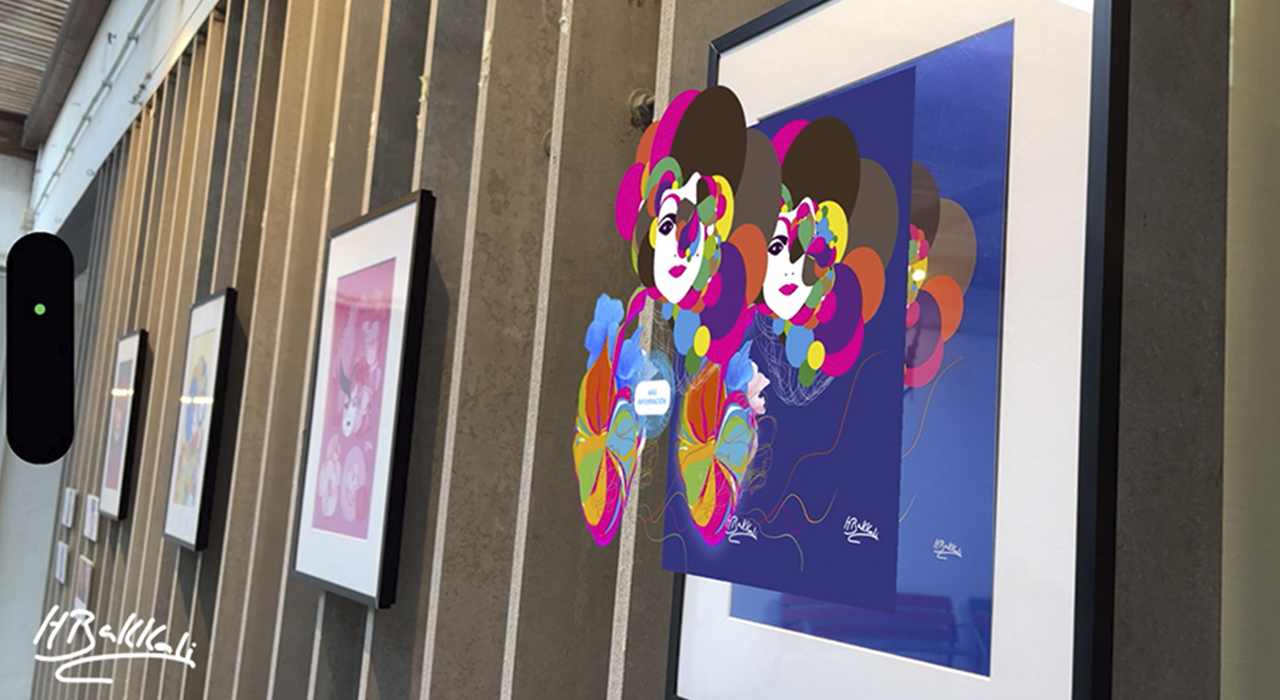
The use of extended reality (XR) enables me to introduce interactive dimensions into my work, allowing experimentation with diverse formats and platforms while preserving the integrity of scientific data. This approach aims to create multisensory experiences where creative expression serves medical precision.
Within these projects, metaphors and artistic symbolism, combined with the transformative potential of technology, become powerful tools for communicating methods, processes, and results in ways that are both engaging and accessible.
The Impact of Layers
Both the layers of scientific communication and the layers of immersive art seek to capture attention, enhance learning, foster awareness, and encourage participation and reflection. In this context, immersive art strengthens the communication experience, enabling scientific knowledge to be sensory, experiential, and closely connected to human practice.
In both science and science-focused creative projects, layers represent complex and hierarchical systems. Through the integration of art and emerging technologies, this complexity can be translated into forms that are understandable, memorable, interdisciplinary, and, above all, practical and meaningful.
Medical communication through art
When working in medical communication through art, the connection between medical knowledge and creative expression must be carefully and precisely articulated. For this reason, these projects demand significantly longer development processes. They require working with accredited and reliable sources, continuously updated information, and a deep understanding of context, often prioritizing process over final results while maintaining a strong commitment to clarity, accessibility, and educational value.
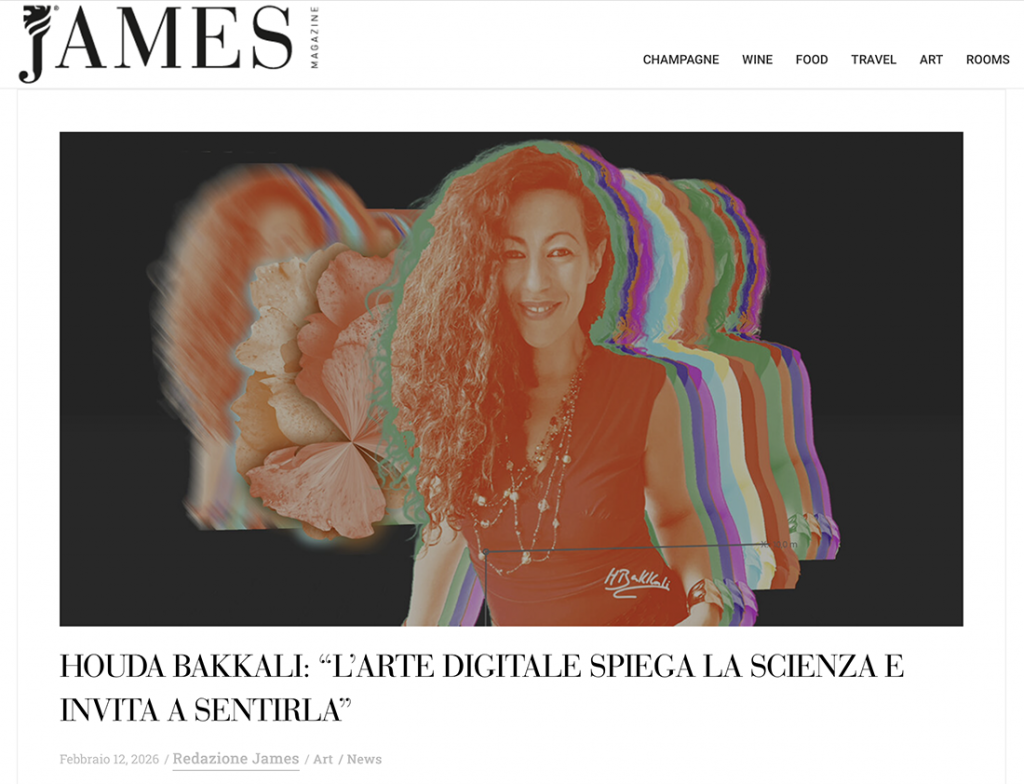
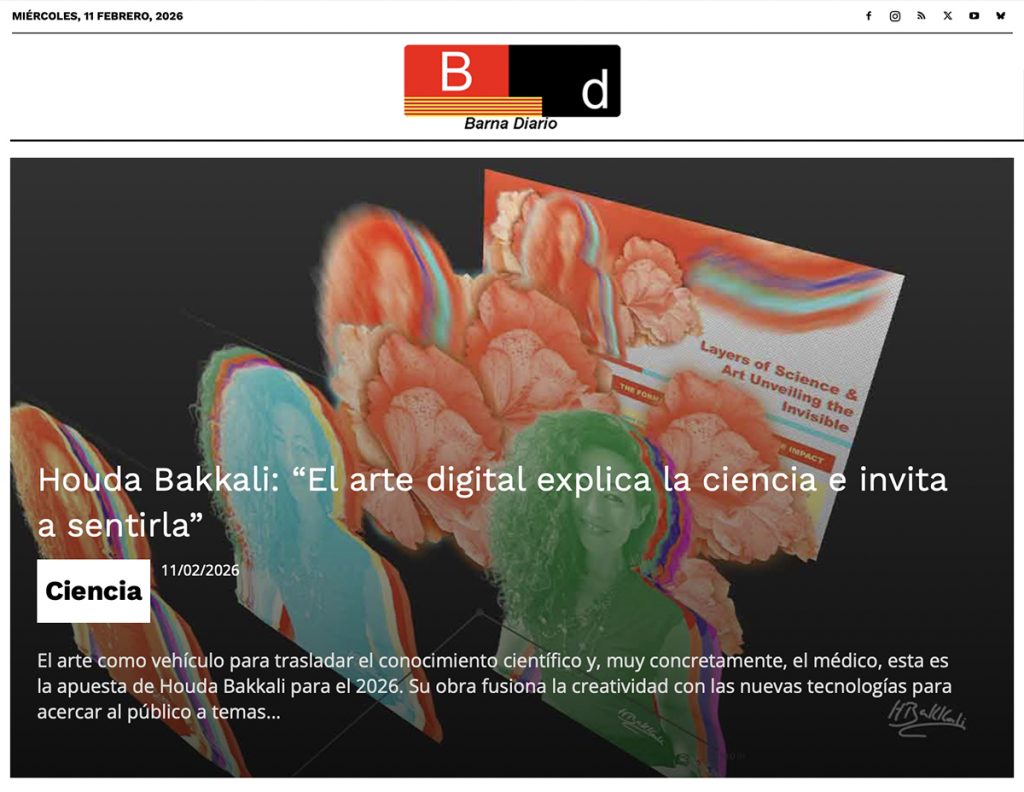
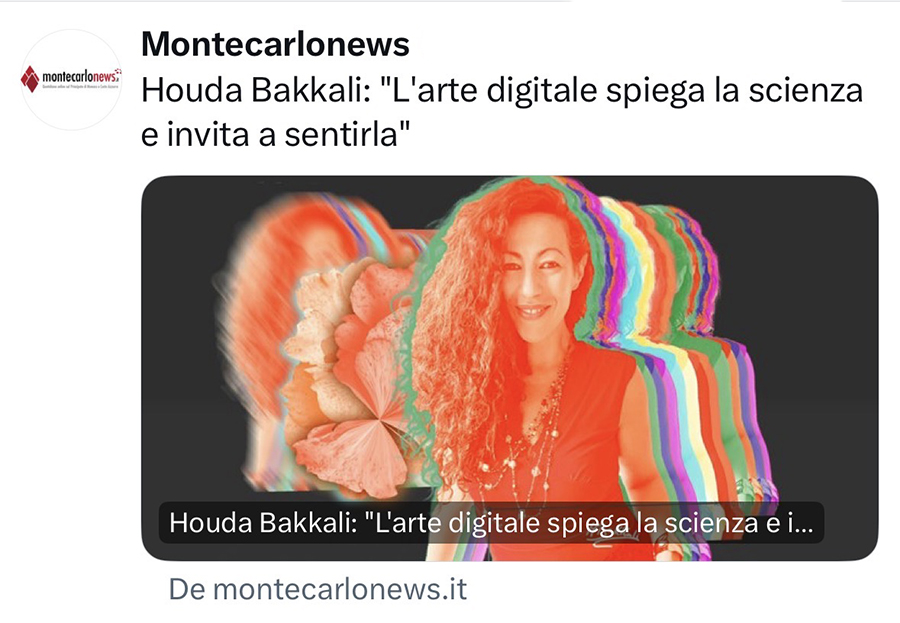
The objective is not only to create a memorable artistic experience, but also to ensure that interaction with the artwork opens new perspectives and successfully transmits meaningful and useful knowledge to the public. In this way, the artwork becomes inhabitable, inviting audiences to engage with it actively because its message holds genuine intellectual, educational, and social value. Digital art explains science and invites audiences to feel it.
The Impact of Aesthetics
Aesthetics in projects with scientific and educational value must be developed with prudence, responsibility, and empathy. While the initial objective may be to capture attention and engage audiences through the artwork—or through the experience offered by the canvas and its multiple digital extensions—this attraction must function as a meaningful entry point.
Curiosity should operate as a symbolic and recognizable gateway, always maintaining coherence with the purpose of transmitting medical and scientific knowledge. In this sense, aesthetic decisions are not merely decorative; they must remain perfectly aligned with the educational and communicative intention of the work, ensuring that artistic expression supports, rather than distracts from, the clarity and integrity of scientific content.
The Role of the Audience
When an artwork is carefully articulated and successfully fulfills its purpose, the audience becomes a fundamental component of the experience. In this context, viewers activate the multiple layers of the work and engage with them, transforming into dynamic participants.
Their participation extends beyond physical interaction—such as navigating virtual environments and experiencing the artwork from within—to include intervening, receiving information, and generating feedback. The audience does not simply observe the work; it listens to it, touches it, moves through it, interprets it, and experiences it. In many cases, it also gains the possibility of contributing to the creation and dissemination of the artwork.
Compared to traditional artistic dynamics, both the role of the audience and the nature of the artwork are significantly transformed. As technological innovation continues to evolve, these interactions are likely to become increasingly immersive, participatory, and unpredictable, expanding the boundaries between creator, artwork, and audience.
Rigor in Medical Communication Through Art
When working with medical content through artistic practice, rigor must be absolute. Both the medical information and the simulations communicated through creative projects must be fully supported by accredited and reliable sources. The development of each artwork must be grounded in a deep understanding of scientific and medical language, including how these fields operate, research, and communicate knowledge.
Communicating science is a complex and demanding process that requires both time and expertise. Art can become a powerful added value only when it is supported by a thorough and responsible understanding of scientific and medical disciplines.
This approach involves explaining diseases for prevention, informing and raising awareness, representing patient experiences, clarifying treatments and ongoing research, translating physiological and emotional effects, promoting healthy behaviors, and analyzing or questioning medical methodologies. Each of these objectives carries a high level of social and ethical responsibility.
Scientific and medical knowledge are intrinsically complex and must be approached with the same level of precision and depth. This work also requires advanced knowledge of emerging technologies, alongside their ethical, responsible, and context-sensitive application, ensuring that communication strategies are adapted to each audience and environment.
Above all, true understanding is essential for meaningful communication. Only through knowledge, responsibility, and intellectual rigor can medical and scientific information be translated into artistic experiences that are accurate, respectful, and socially valuable.
Power Over the Artwork and the Message
This dynamic enables greater control over both the artwork and its content, allowing it to remain continuously updated and to evolve toward its most accurate and meaningful version. It also makes it possible to define what is included or excluded, as well as to determine timing, duration, hierarchy, and narrative structure. Within this framework, the objectivity of scientific and medical content remains central, forming the core foundation of the work.
In contrast, creativity assumes a more provocative and exploratory role. Supported by the rapid expansion of emerging technologies, artistic practice can generate a 360-degree engagement with science, integrating aesthetics, technical innovation, emotional connection, and logical understanding.
When working in medical communication through art, the relationship between scientific knowledge and creative expression must be carefully structured and responsibly balanced. These projects naturally require extended development timelines, as they depend on accredited sources, continuously updated information, and deep contextual awareness. The process prioritizes clarity, accessibility, and methodological rigor, often placing greater emphasis on process than on final results.
The ultimate objective is not only to create memorable artistic experiences, but to generate new ways of perceiving scientific knowledge and to transmit information that is genuinely useful to society. In this sense, the artwork becomes inhabitable, allowing audiences to engage with it meaningfully because its message holds real educational and social value.
Statement
In this project, in constant and ongoing evolution, art explains, communicates, and builds. It makes us think and feel. It becomes a space for learning, reflection, and experimentation through physical works, XR/AR content, audiovisual media, and interactive pieces.
In this work, I do not seek anonymity or neutrality. The layers of my practice bring the human figure to the foreground, together with lived experience and professional trajectory, in order to connect with the audience through a symbolic language that is creative in appearance yet clear and accessible in meaning.
Capable of both improvisation and control of the medium, these layers are metaphorical and at the same time real—literal and methodical— with a starting point in the recognizable and a selective character in which interpretation unfolds between science and creativity.
This creativity does not aim to demonstrate, but rather to invite discovery through reason and emotion, because here the purpose of digital art is to explain science and invite us to feel it. — Houda Bakkali